
India, Destination of the Year 2027: why it is drawing a new generation of travellers
Beyond the Taj Mahal and the classic itineraries, India is redefining its place on the world travel map, drawing travellers who are interested in culture, spirituality, nature and authentic experiences.
Some destinations we choose for their beaches, their food, their history or their landscapes. India is one of the few countries that brings all of them together, along with a cultural and spiritual diversity that sets it apart from most other destinations.
For a long time, India's image in international travel was tied mainly to the Taj Mahal, the palaces of the maharajas, Hindu temples and spiritual journeys. These still fascinate visitors, but the reasons people choose a holiday in India today are far more varied.
Some travellers come for the mountain trails of the Himalaya, others for yoga and meditation retreats, for hotels set in former royal palaces, or for the chance to discover the traditions and daily life of local communities.
India, named Destination of the Year 2027
The growing interest in India is also reflected in international recognition. According to an article published by Euronews in November 2026, India has been named Destination of the Year 2027 by the American travel magazine Travel + Leisure. The title highlights not only the famous sights, such as the Taj Mahal and the palaces of Rajasthan, but also the diversity of its regions, its cultural heritage and the experiences the country offers beyond the classic tourist routes.
This recognition comes at a time when travellers' preferences are becoming more diverse. According to an analysis published by KPMG India in 2026, spiritual tourism is moving beyond traditional pilgrimage, increasingly combining cultural experiences, wellness and leisure activities.
India meets this interest with a range of experiences that is hard to fit into a single itinerary. From the historic cities of Rajasthan and the sacred banks of the Ganges to the Buddhist monasteries of the Himalaya and the tropical landscapes of the south, every region offers a different view of the country.
Beyond the sights: experiences that bring you closer to local culture
For many visitors, the first encounter with India begins with the famous Golden Triangle, the route linking Delhi, Agra and Jaipur. It is one of the country's best-known itineraries and an excellent introduction to its history and cultural heritage.
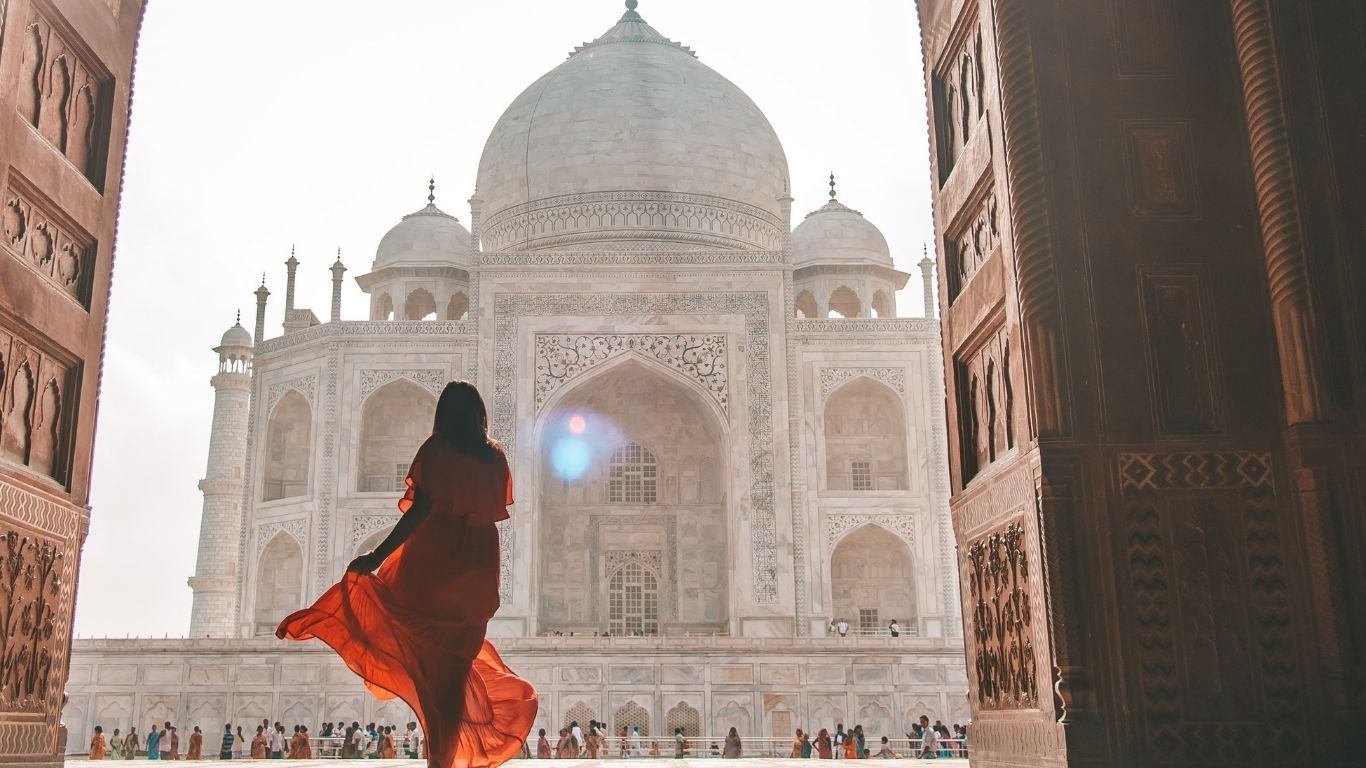
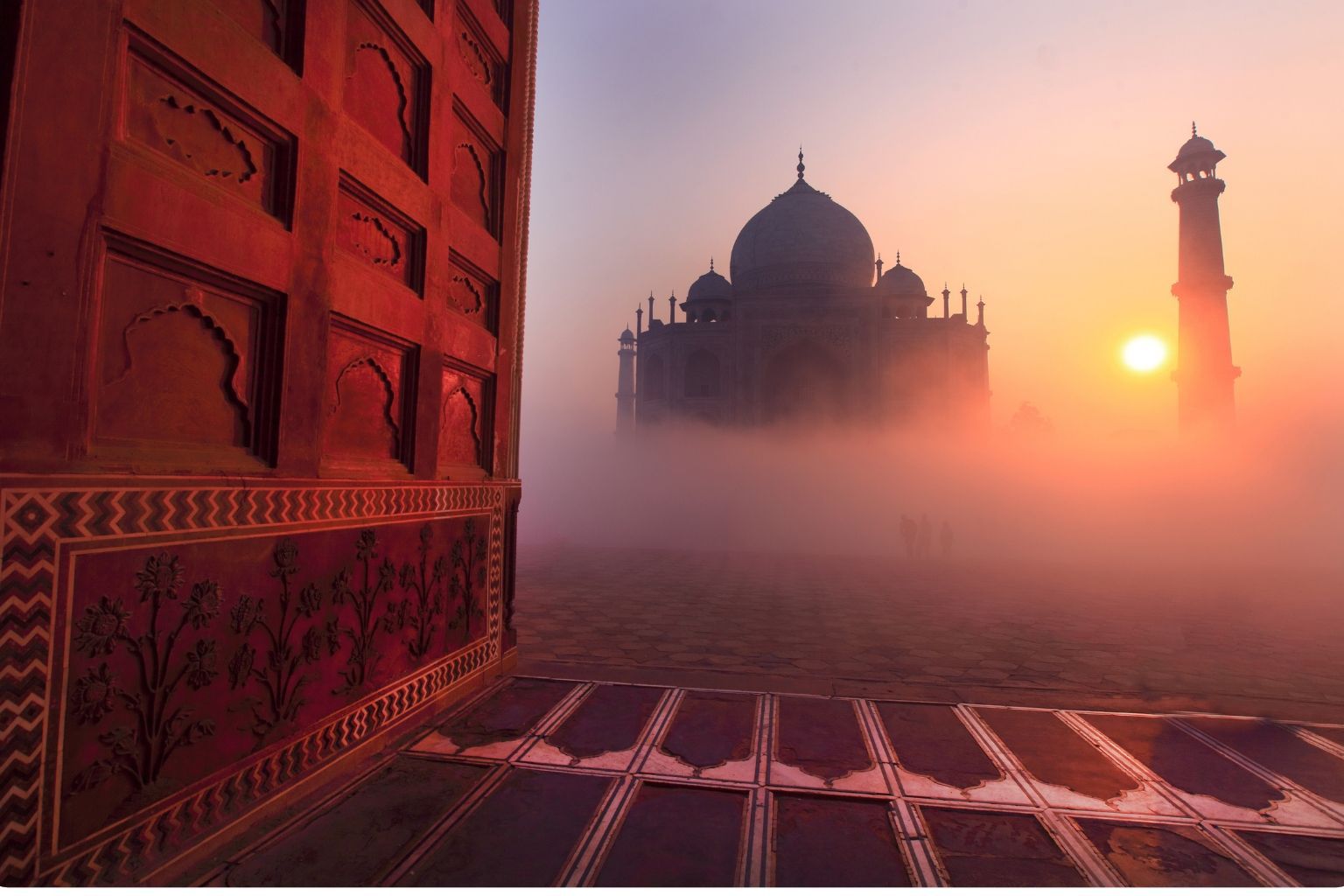
Delhi reveals the contrast between its old historic quarters and the modern capital, Agra is home to the Taj Mahal, and Jaipur opens the door to much of Rajasthan's royal heritage.
Discovering India can go far beyond visiting its iconic monuments.
In Rajasthan, for example, the experience might include traditional textile workshops, demonstrations of hand block printing, regional cooking, or visits to old aristocratic residences, some of them now heritage hotels.
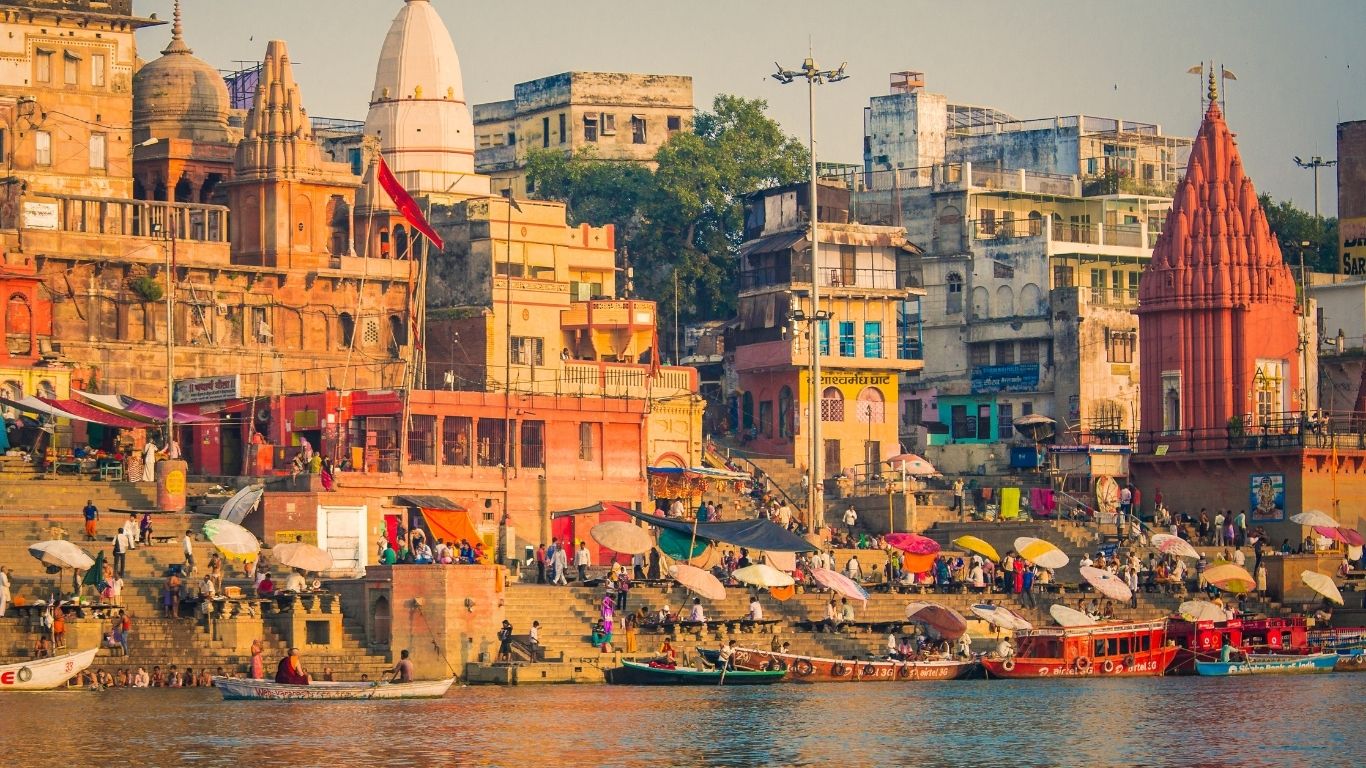
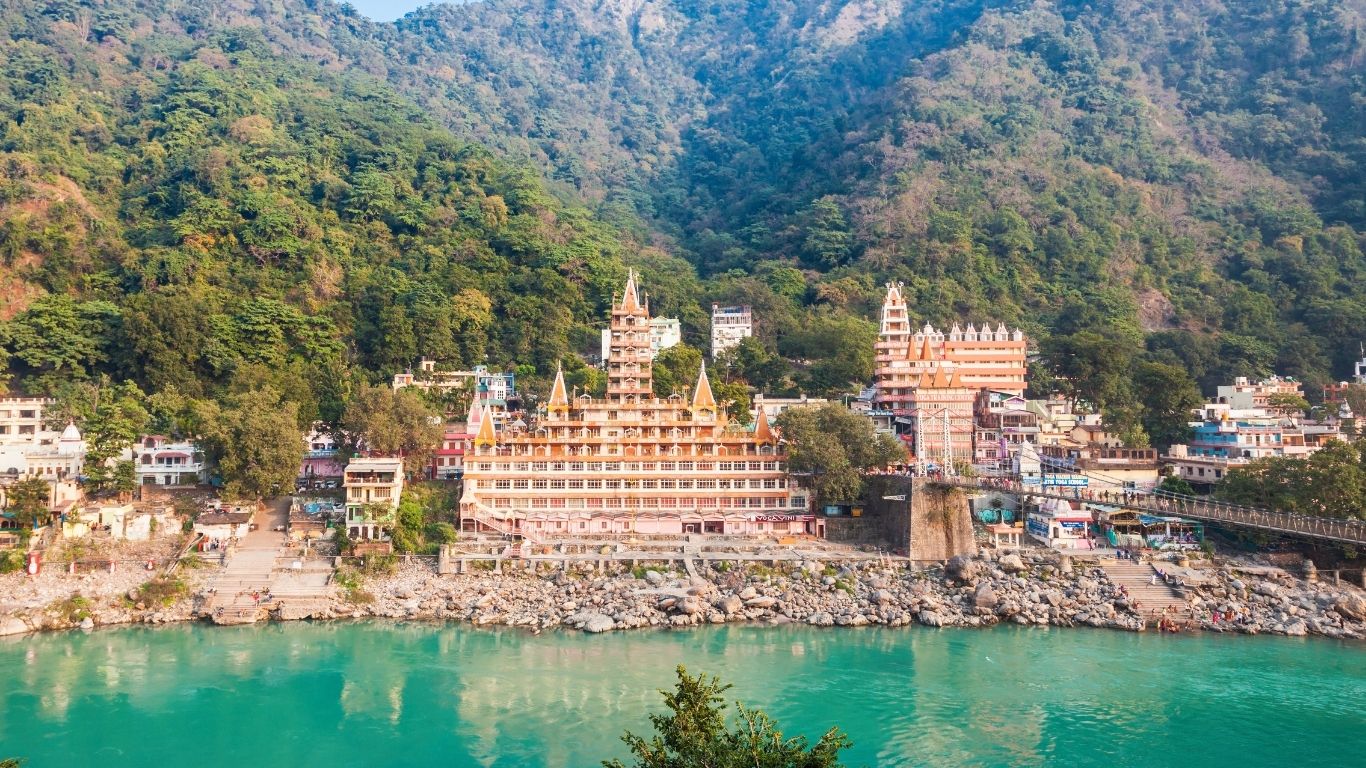
In Varanasi, one of the holiest cities in Hinduism, the Ganges is part of everyday life. In the morning, the faithful walk down the steps of the ghats for prayers and purification rituals, and in the evening the Ganga Aarti ceremony draws crowds to the riverbank.
Experiences like these help travellers understand the places they visit more deeply, through direct contact with the traditions and customs that still shape community life.
Exploring local culture does not mean giving up comfort, either. India offers a growing choice of heritage hotels, boutique properties, private experiences and specialist guides, making it possible to plan journeys around each traveller's interests and preferences.
Yoga, meditation and the rise of wellness travel
Yoga is one of the clearest examples of India's cultural influence around the world.
Practised today in studios, wellness centres and retreats across the globe, yoga has its roots in India's philosophical and spiritual traditions. For many travellers, visiting the places connected with these practices is a chance to discover them in a wider cultural context.
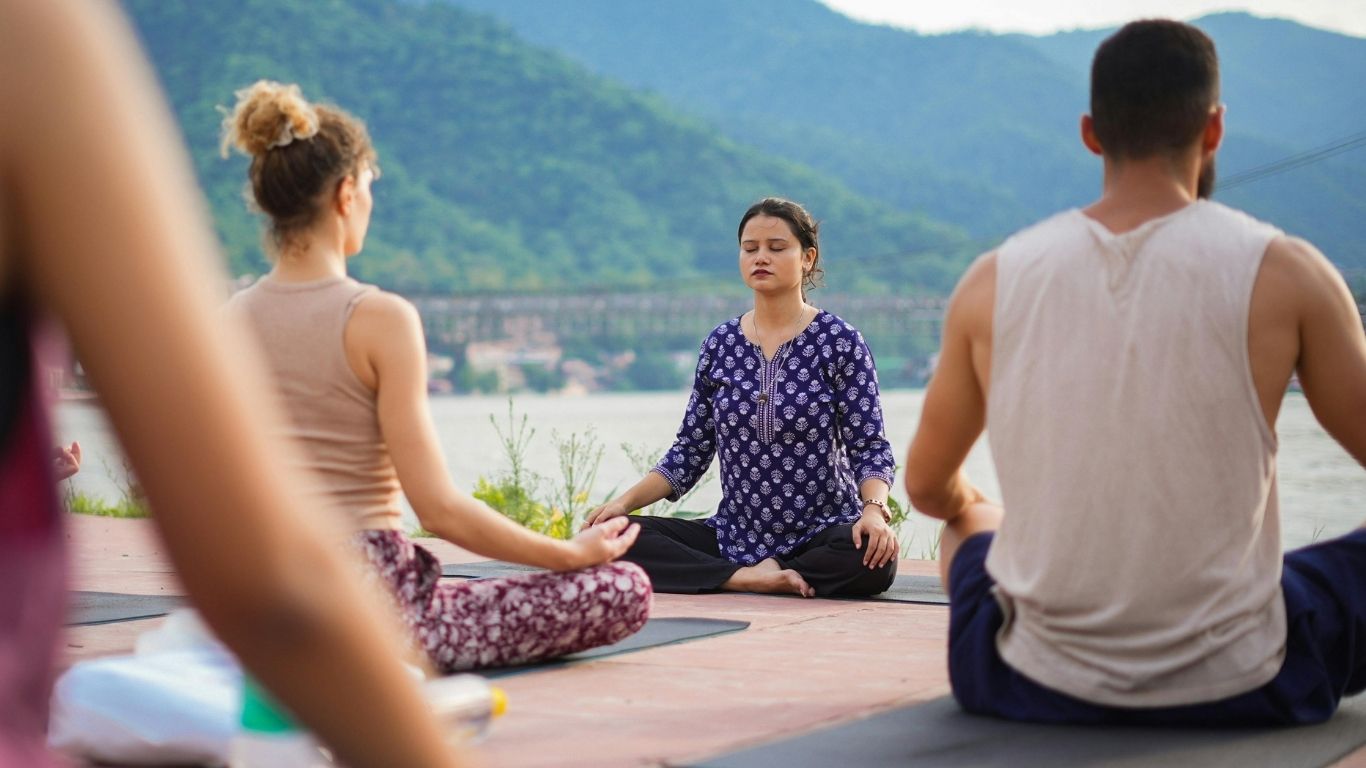
Rishikesh, a town in northern India on the banks of the Ganges, is known as the 'yoga capital of the world'. It is home to many yoga schools, ashrams and meditation centres, with programmes ranging from introductory sessions and retreats of a few days to teacher training courses.
In the south, Kerala is another major wellness destination, known for its Ayurveda traditions. Many specialised centres and resorts offer programmes that combine traditional practices, yoga, meditation and relaxation.
Interestingly, these experiences are no longer reserved for people who have practised yoga for years or who travel with a specific spiritual goal. For some visitors, a yoga class, a meditation session or a few days on retreat are simply one part of a broader holiday.
This flexibility is part of India's appeal for travellers who want to combine cultural exploration, time in nature and wellness in one itinerary.
From the Himalaya to the tropics: the diversity of a single country
Another reason India attracts such different kinds of travellers is its geographical diversity.
In the north, the Himalayan regions offer spectacular mountain scenery, trekking routes and access to communities with distinct cultural traditions. Uttarakhand, Himachal Pradesh and Ladakh are favourites with those who love nature, adventure and spiritual heritage.
Ladakh, for instance, is known for its high-altitude desert landscapes and the influence of Tibetan Buddhism. Monasteries built into the mountainsides, remote villages and roads that cross the high passes offer an experience very different from India's big cities.
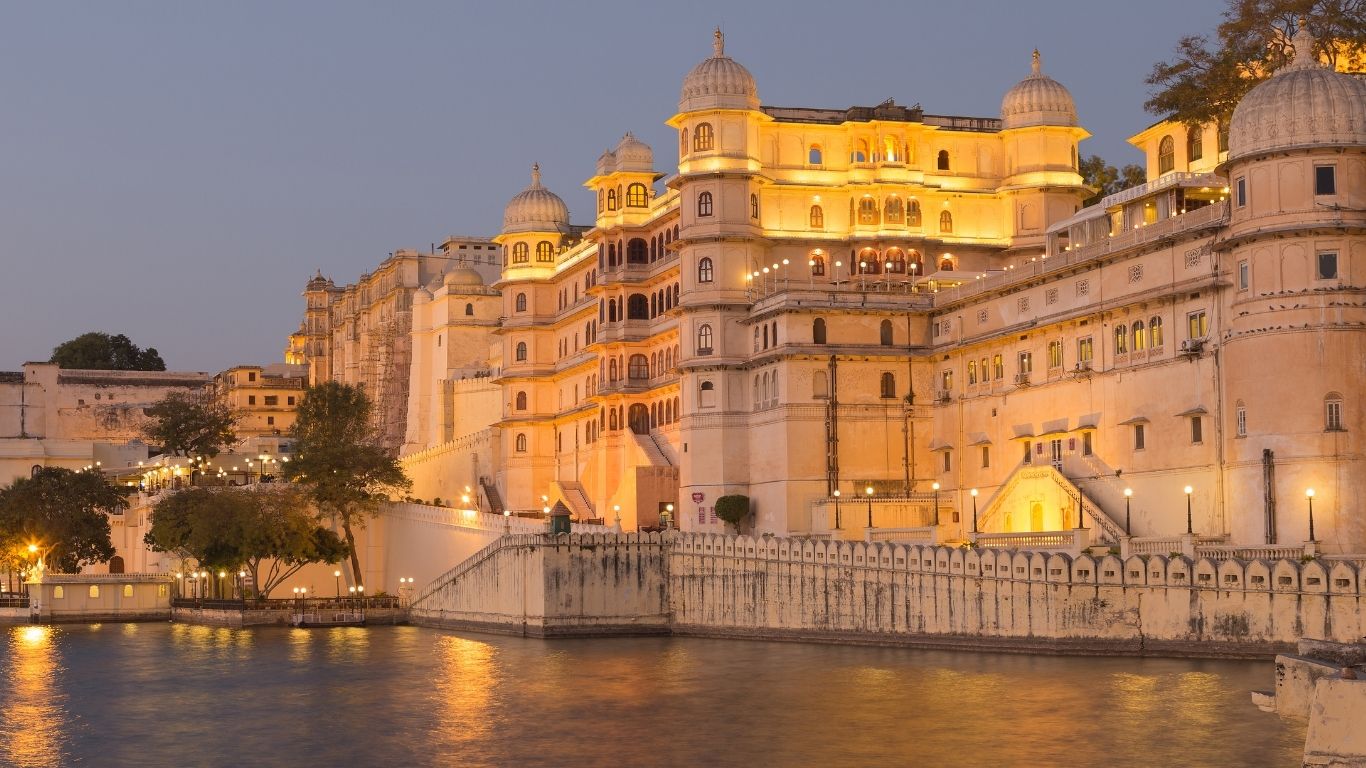
In Rajasthan, the landscape is defined by forts, palaces, historic cities and the vast Thar Desert. Jaipur, Jodhpur, Udaipur and Jaisalmer each keep a distinct architectural and cultural identity, reflected in their monuments, markets and local traditions.
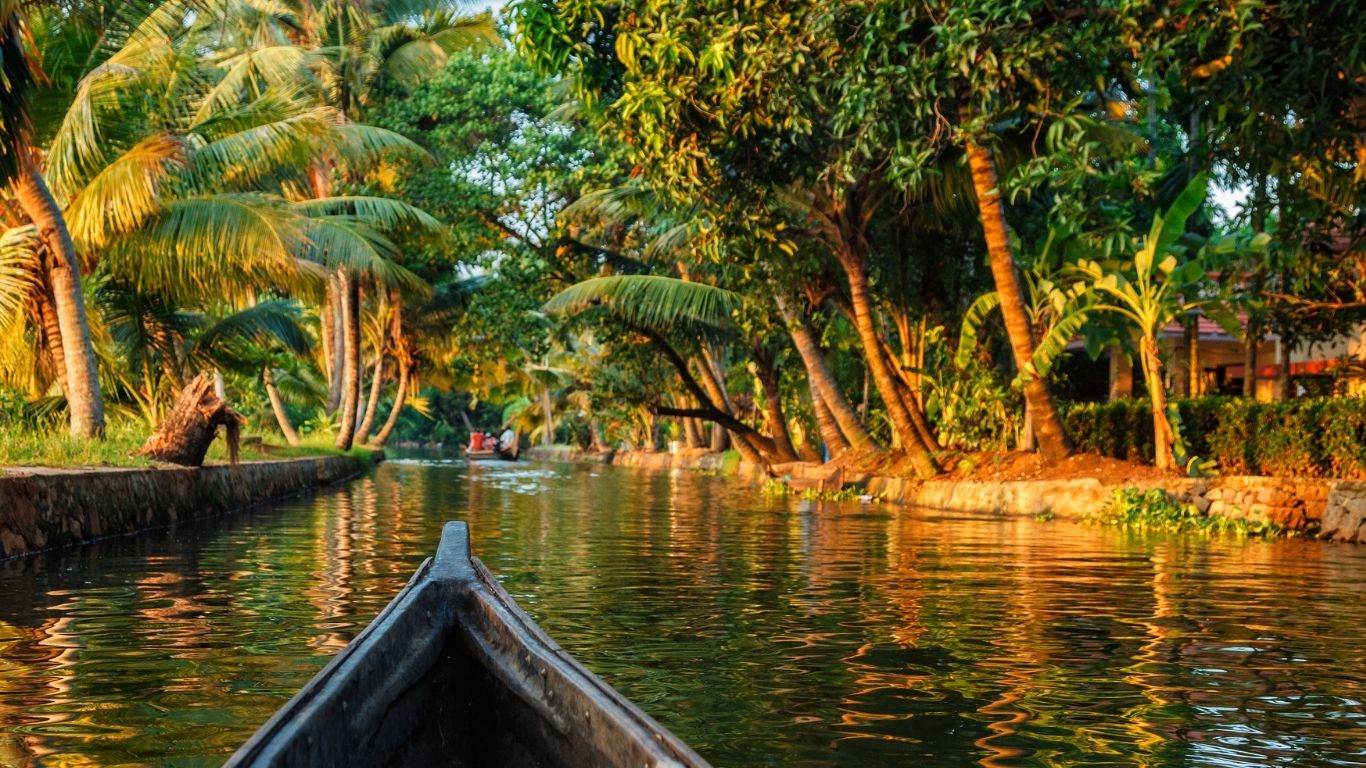
Further south, Kerala offers a completely different setting, with tropical vegetation, backwaters, tea plantations and the Arabian Sea coast. In Tamil Nadu, monumental temples and religious traditions are among the main cultural attractions.
India is also a major destination for nature and wildlife lovers. National parks such as Ranthambore, Kaziranga and Jim Corbett protect the habitats of some of Asia's most iconic species, including the Bengal tiger and the greater one-horned rhinoceros.
This variety explains why a single trip is rarely enough to discover India. Each region can become the theme of a journey of its own.
A cultural heritage that is still part of everyday life
India is home to dozens of UNESCO World Heritage Sites, from historic monuments and religious complexes to cultural landscapes and protected natural areas.
The Taj Mahal remains one of the country's best-known architectural symbols, but India's heritage is far more diverse.
The Ajanta and Ellora caves in Maharashtra hold remarkable examples of rock-cut religious art and architecture. The temples of Khajuraho are famous for their elaborate sculpture, while the forts of Rajasthan tell the region's political and military history.
Buddhist heritage also holds an important place in India's spiritual history. Bodhgaya is associated with the moment Siddhartha Gautama attained enlightenment, and Sarnath, near Varanasi, is considered the place where the Buddha gave his first teaching after his enlightenment.
Beyond its historic monuments, one of India's defining features is the continuity of its cultural and religious traditions.
Many temples are still active places of worship, religious festivals bring whole communities together, and crafts and artistic practices are passed down from one generation to the next.
Diwali, known as the Festival of Lights, and Holi, the festival of colours that welcomes the arrival of spring, are two of the best-known examples of how these traditions remain part of contemporary Indian life.
For visitors, these experiences offer more than a glimpse of the past. They reveal a culture that keeps its traditions alive and weaves them into everyday life.
Holi 2027 with Real Retreats
In March 2027 we celebrate Holi in Rishikesh, at the end of a 14-day journey through Agra, Rajasthan and the banks of the Ganges. Discover the Colours of India programme.
India and the growth of premium travel
Although India is often associated with adventure travel or spiritual experiences, it also has a strong premium offer that combines contemporary comfort with cultural heritage.
Rajasthan is one of the best examples. Many palaces, forts and aristocratic residences have been restored and turned into hotels, giving guests the chance to experience royal architecture and history in a remarkable setting.
In other regions, the choice includes wellness resorts, boutique hotels, properties set in the heart of nature and cultural experiences in small groups.
But a premium trip to India is not just about the category of hotel or exclusive services. The quality of the experience also depends on how the itinerary is built, the expertise of the guides, the choice of places and the time given to each destination.
In a country this vast, where distances, traffic and local conditions can change a plan considerably, careful organisation is essential.
For travellers who want to discover local culture without giving up comfort, a well-designed itinerary can strike the right balance between exploration, relaxation and authentic experiences.
Why India is worth discovering in 2027
Travel + Leisure naming India its 'Destination of the Year 2027' confirms the world's interest in a country that has far more to offer than its famous sights. India is not a new destination; it is one whose experiences are being rediscovered and appreciated by an ever wider range of travellers.
From historic heritage and centuries-old cultural traditions to Himalayan landscapes, regional cuisine and yoga and meditation centres, India offers something for very different interests and travel styles.
At the same time, the growth of premium travel and tailor-made experiences makes this diversity easier to enjoy for those who want to explore the country in an organised way, without giving up comfort or contact with local life.
Perhaps this is one of the reasons India keeps capturing travellers' attention: no single itinerary defines it, and no single experience captures its full complexity. Every region reveals another side of the country, and every journey can be completely different from the last.
Discover India with Real Retreats
At Real Retreats, we create small-group journeys that combine cultural discovery, iconic places, local experiences and moments of wellness. Explore our journeys in India and choose the one that suits you.
See our journeys