
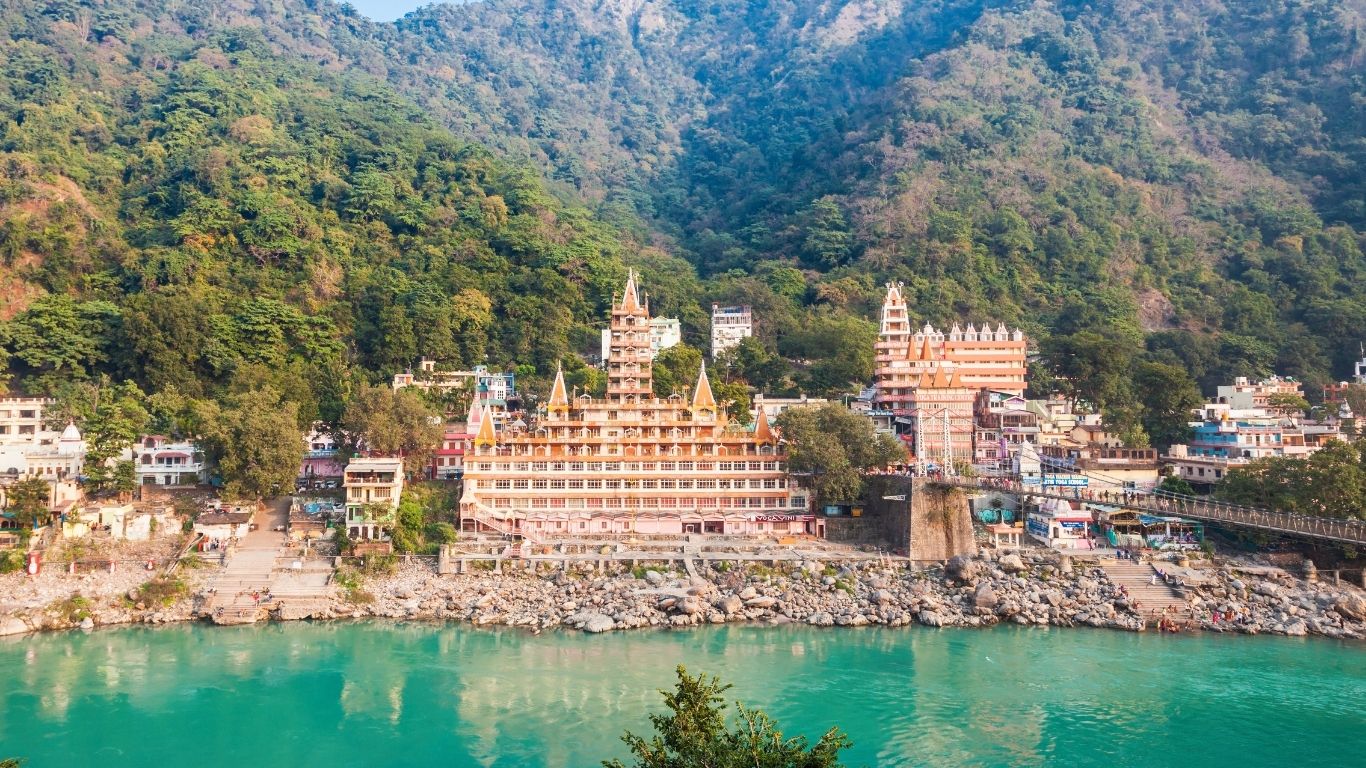
Rishikesh beyond yoga: what to see and the experiences not to miss in India's spiritual capital
Set in northern India, in the state of Uttarakhand, on the banks of the Ganges, Rishikesh is one of the world's best-known destinations for yoga, meditation and spiritual travel. Known as the 'Yoga Capital of the World', it draws travellers from all over the globe who come for India's spiritual traditions, but also for local culture, nature and adventure.
Beyond its spiritual reputation, Rishikesh has plenty of places to visit and experiences worth discovering. The temples and ashrams along the Ganges, the religious ceremonies woven into daily life, the waterfalls, mountain trails and adventure activities make it a destination for many different travel styles.
Rishikesh also holds a special place in the story of how meditation reached the West. In 1968, The Beatles came here to study Transcendental Meditation, sparking worldwide interest in India's spiritual practices. Their former ashram is now one of the town's best-known sights.
Rishikesh, from the City of Saints to the Yoga Capital of the World
Set in Uttarakhand, in northern India, Rishikesh has a long history as a centre of pilgrimage, yoga and meditation. Also known as the 'City of Saints', its name is linked to Hindu spiritual tradition and to the generations of rishis (sages), yogis and ascetics who, according to tradition, withdrew to the banks of the Ganges over the centuries to meditate.
Before it became an international destination, Rishikesh was known mainly as a place of pilgrimage and spiritual retreat. The closeness of the Himalaya and the presence of the Ganges, sacred in Hinduism, encouraged the growth of many ashrams and centres devoted to philosophy, yoga and meditation.
A turning point in its international fame came in 1968, when The Beatles arrived to study Transcendental Meditation with Maharishi Mahesh Yogi. Their visit caught the attention of the world's press and helped popularise meditation and Indian spiritual traditions in the West.
In the decades that followed, Rishikesh strengthened its reputation as the 'Yoga Capital of the World', as yoga schools, ashrams and meditation centres grew to welcome visitors from every corner of the globe.
The town attracts people taking yoga teacher training as well as travellers interested in retreats, meditation, Indian philosophy or cultural experiences. It also remains an important gateway to the Himalayan regions and to the four sacred sites of Uttarakhand's Char Dham pilgrimage: Yamunotri, Gangotri, Kedarnath and Badrinath.
Top places to visit in Rishikesh
1. Triveni Ghat and the Ganga Aarti ceremony
Triveni Ghat is one of the most important religious sites in Rishikesh, on the banks of the Ganges in the centre of town. For Hindus the Ganges is sacred, and the purification rituals performed along its banks carry deep spiritual meaning.
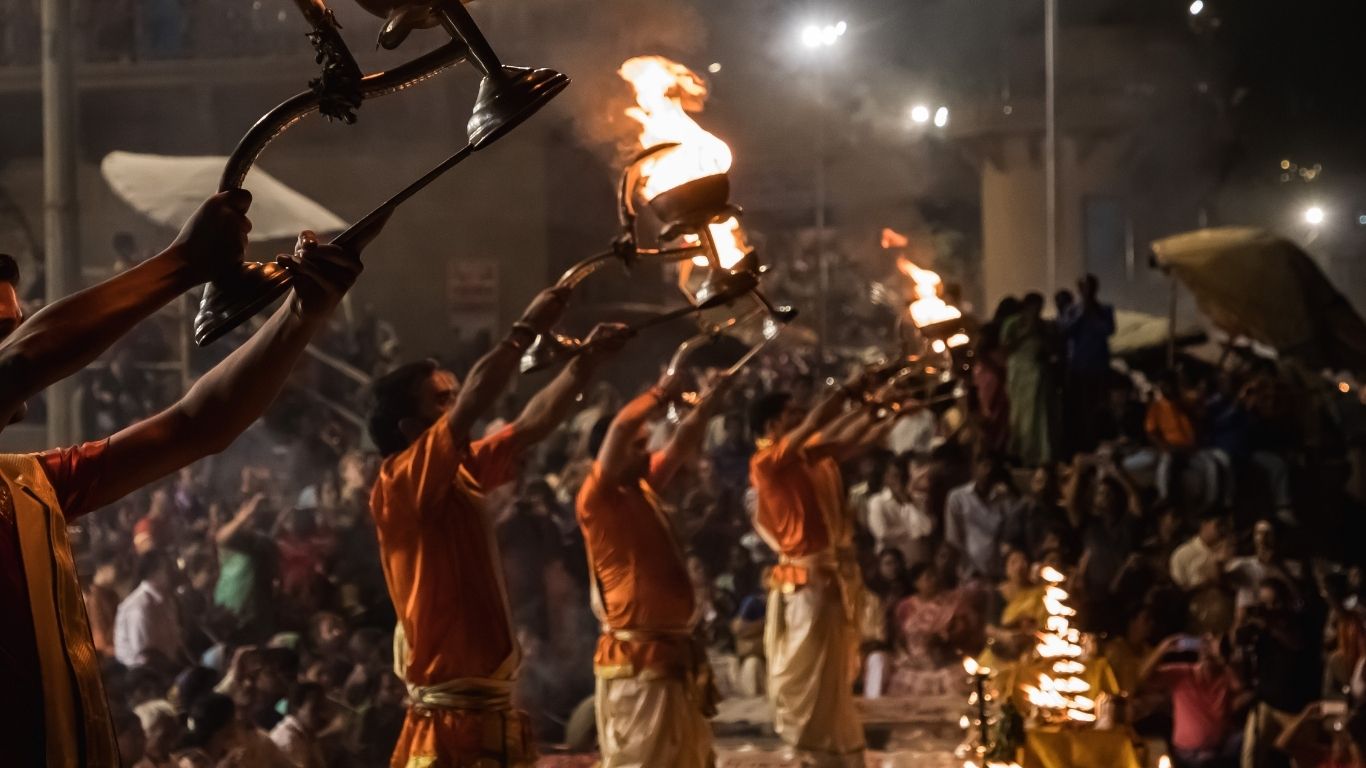
Every evening, Triveni Ghat hosts the Ganga Aarti, a ceremony dedicated to the river, in which priests offer lit lamps to the sound of devotional songs, mantras and bells.
The ceremony is one of the most accessible ways to witness local religious traditions. You don't need to be Hindu to watch, but it is important to respect the sacred nature of the ritual and the space reserved for worshippers. Arrive before sunset, when the steps along the river begin to fill with locals and pilgrims.
2. The Beatles Ashram, where Western music met Indian meditation
Few places in Rishikesh capture the meeting of Western culture and Indian spirituality better than the Beatles Ashram, officially known as Chaurasi Kutia.
In 1968, The Beatles spent time here studying Transcendental Meditation with Maharishi Mahesh Yogi. The experience shaped their creative process, and during their stay in India they wrote many of the songs that later appeared on the famous White Album and other records.

The complex lay abandoned for many years before reopening to the public in 2015. Today visitors can explore the old meditation halls, buildings overgrown with greenery and unusual dome-shaped structures. The walls of several buildings are covered with murals and street art inspired by the band's music.
It is a fascinating place not only for Beatles fans, but for anyone curious about how Rishikesh became a landmark for generations of Westerners drawn to Indian philosophy and spirituality.
3. Parmarth Niketan Ashram, one of the town's spiritual landmarks
Located in the Swarg Ashram area on the banks of the Ganges, Parmarth Niketan is one of the best-known ashrams in Rishikesh. Founded in 1942, it hosts yoga, meditation, spiritual study programmes and cultural events.
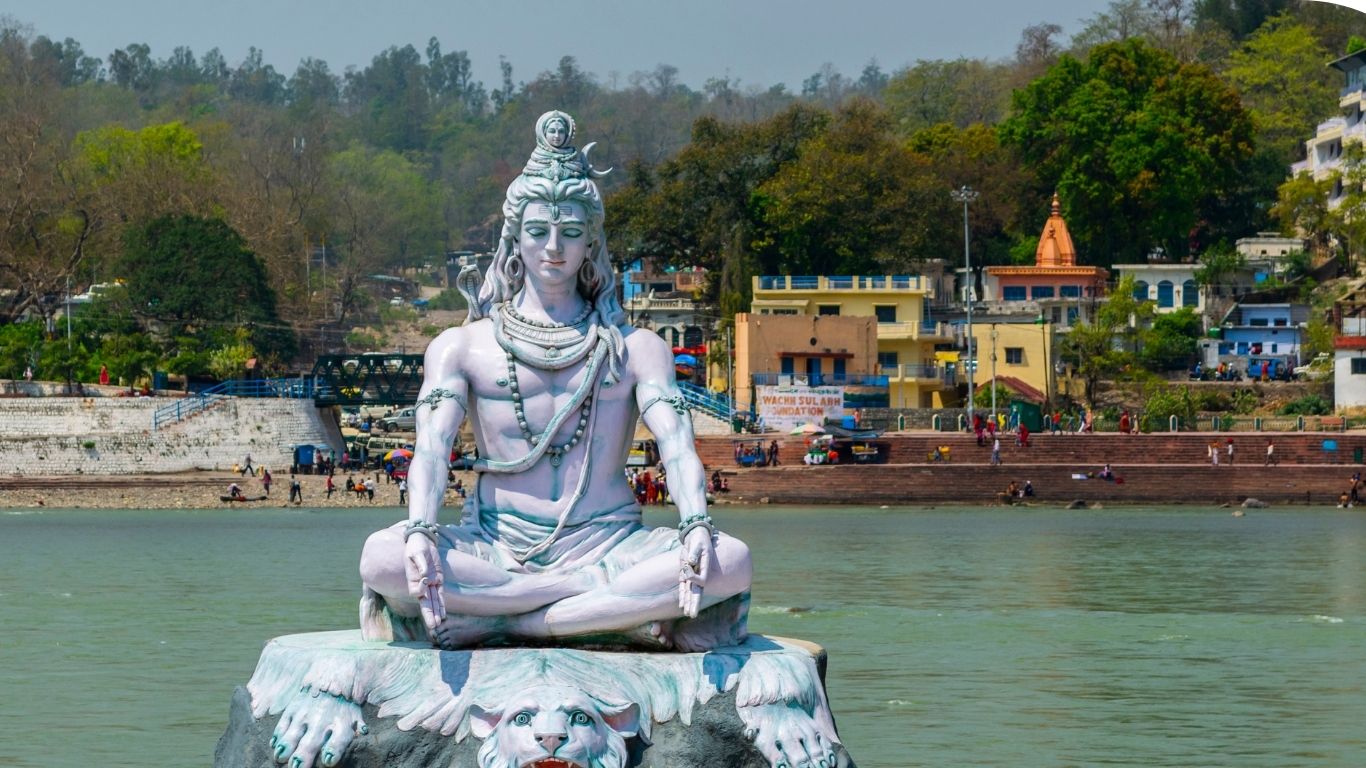
One of its signature images is the statue of Shiva near the riverbank, in front of which religious ceremonies take place. Parmarth Niketan is also known for its evening Ganga Aarti, held in a different setting from the one at Triveni Ghat.
For visitors interested in India's spiritual traditions, a visit here is a chance to see the life of a working ashram, not just a tourist sight.
4. Ram Jhula, Lakshman Jhula and the neighbourhoods along the Ganges
The town's suspension bridges have become some of the best-known symbols of Rishikesh. Lakshman Jhula is linked to a legend from the Hindu epic Ramayana, according to which Lakshmana crossed the Ganges here using ropes. Ram Jhula connects Muni Ki Reti and Swarg Ashram, areas full of temples, ashrams and traditional shops.
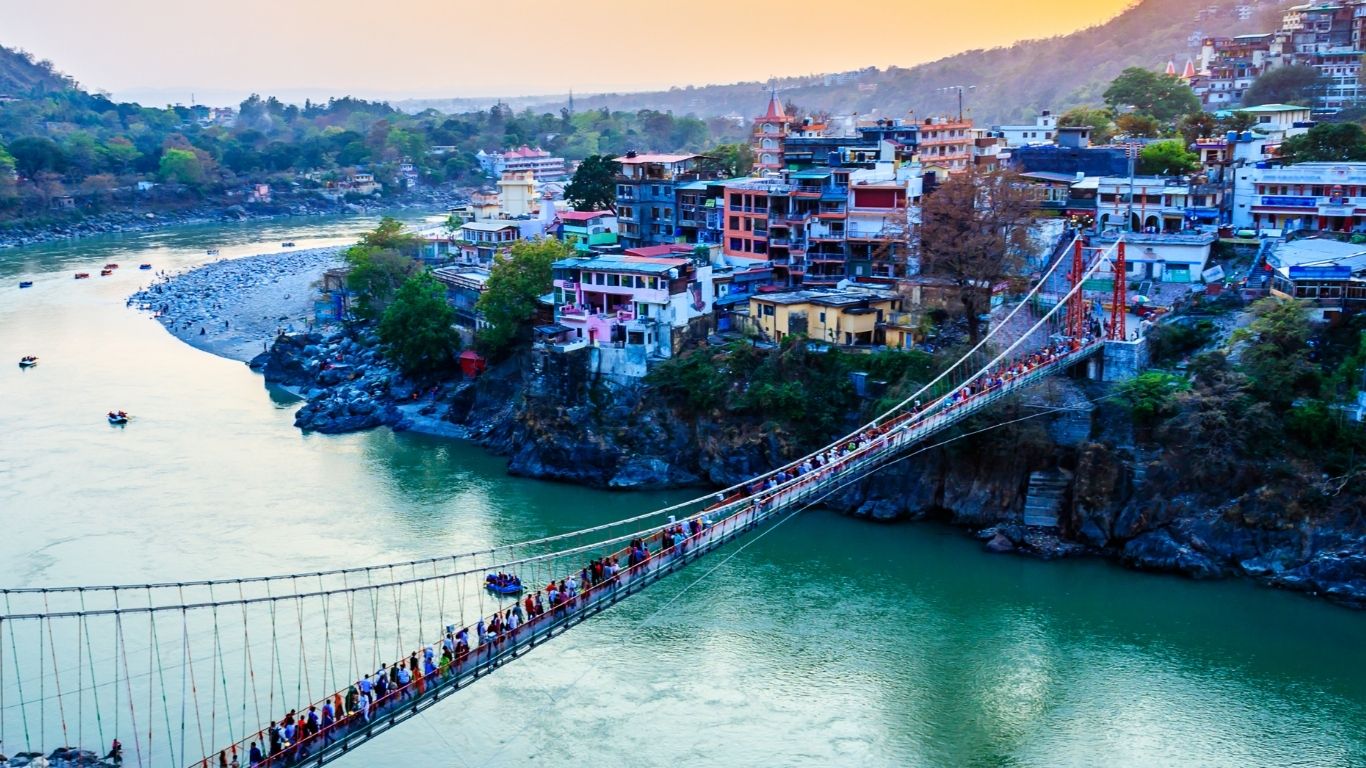
Beyond the bridges, it is worth exploring the lanes of Tapovan, Jonk and Swarg Ashram, with their small vegetarian restaurants, spiritual bookshops, craft shops and yoga centres. It is one of the most pleasant areas for an unhurried walk, especially in the morning or towards evening.
5. Kunjapuri Devi Temple, sunrise over the Himalaya
Around 25–30 kilometres from Rishikesh, in the hills above the town, stands Kunjapuri Devi Temple, a Hindu temple dedicated to the goddess Durga. At about 1,650 metres above sea level, it is known both for its religious significance and for its views of the Himalaya.
One of the most beautiful experiences is to visit at sunrise when, on clear days, you can see the snow-capped peaks of the Himalayan range. Getting there involves a drive and then a climb up the steps to the temple. Nature lovers can continue with a walk on the trails that lead down to the surrounding villages and forests.
It is a good excursion for anyone who wants to discover the mountain landscapes around Rishikesh, not just the town itself.
6. Neer Garh Waterfall, an escape into nature
A short distance from Tapovan lies Neer Garh Waterfall, one of the best-known waterfalls near Rishikesh. It is reached on a trail through the forest with some uphill sections and small natural pools along the way.
It makes a good half-day in nature, especially when it is hot in town. The trail can be slippery after rain, and access and safety conditions should be checked during the monsoon.
7. Neelkanth Mahadev Temple, an important Hindu pilgrimage site
Set in the forested hills near Rishikesh, Neelkanth Mahadev is a temple dedicated to Shiva. In Hindu mythology, the name Neelkanth, meaning 'the blue-throated one', refers to the story in which Shiva drank a cosmic poison to protect the world, and his throat turned blue.
The temple is visited by many pilgrims, especially during festivals and periods sacred to Shiva. The road there winds through mountain scenery and forest, so the visit also makes an interesting excursion into the countryside around town.
8. Vashishta Gufa, a cave devoted to meditation
For those drawn to the contemplative side of Rishikesh, Vashishta Gufa offers a different experience from the well-known ashrams. On the banks of the Ganges, about 20–25 kilometres from town, the cave is associated in Hindu tradition with the sage Vashishta.
The space is used for meditation and prayer, and the atmosphere is far calmer than in the busy tourist areas. Visitors are asked to keep silent and respect the rules of the place. It is a rewarding stop for anyone looking for less commercial spiritual places, in a natural setting close to the river.
Things to do in Rishikesh
Join a yoga or meditation class
You don't need to be an experienced practitioner to join a yoga class in Rishikesh. Many schools and centres offer beginner sessions, programmes of a few days or retreats that include physical practice, breathing exercises, meditation and an introduction to yoga philosophy.

For a deeper experience, there are also 200-hour yoga teacher training courses, usually spread over several weeks. A class at a traditional centre can also be a chance to discover the philosophical side of yoga, beyond the physical practice that has become popular in the West.
Go rafting on the Ganges
Rishikesh is one of India's best-known rafting destinations. Upstream of the town, the Ganges runs through stretches of rapids, and local operators run trips of different lengths and levels of difficulty. Shivpuri is one of the popular starting points, and there are more demanding stretches for experienced rafters.

The rafting season generally runs from autumn to early summer, depending on water levels and local regulations. Always book through licensed operators with proper equipment and qualified guides.
Explore the trekking trails around town
Its position at the foot of the Himalaya makes Rishikesh a natural base for hiking. The trails around Kunjapuri Temple, walks through mountain villages and excursions to waterfalls reveal another side of the region.
Some routes take just a few hours, while others need a full day and a local guide. For those who want to combine nature and culture, a hike that takes in a temple or a traditional village is an interesting alternative to classic mountain walks.
Explore the cafés and vegetarian food
Rishikesh's food culture is shaped both by local religious traditions and by the international yoga community. The town is known for its vegetarian restaurants and its many cafés serving Indian dishes, international food and vegan options.
In Tapovan and along the Ganges, many places have terraces overlooking the river or the surrounding hills. Try traditional dishes such as dal, chana masala, aloo paratha, the many kinds of thali and a cup of masala chai.
Good to know
Rishikesh has local restrictions on the sale and consumption of alcohol and meat, in keeping with its religious character. Most restaurants are vegetarian.
Go on safari in Rajaji National Park
Within easy reach of Rishikesh lies Rajaji National Park, a protected area known for its forests and its Asian elephants. The park is also home to other mammals, birds and reptiles, making it a good choice for nature lovers.
Safaris in licensed vehicles run in certain zones and seasons, although wildlife sightings can never be guaranteed. It complements a journey focused on culture, yoga and exploring the town very well.
When is the best time to visit Rishikesh?
Rishikesh can be visited for most of the year, but the climate makes a big difference to which activities are possible.
Pleasant for exploring
More comfortable temperatures and good conditions for walks, yoga and excursions.
Ideal for culture and nature
Favourable conditions for cultural visits, outdoor activities and retreats.
Hot
High daytime temperatures; outdoor activities are more comfortable early in the morning.
Monsoon season
Rain can affect trekking trails and river activities. Rafting is usually suspended while the water is high.
Cold mornings
Cool mornings and evenings, but the town remains a destination for yoga, meditation and culture.
How many days do you need in Rishikesh?
For a first visit, three or four days let you see the main sights, attend a Ganga Aarti, visit a few ashrams and take a trip into the surrounding hills. If you want to add yoga, meditation, rafting and hiking, five to seven days give you more flexibility.
For in-depth yoga programmes or retreats, the stay can range from a few days to several weeks. Keep in mind that Rishikesh is spread across several areas, and getting between them can take longer than the map suggests, especially at busy times.
How to get to Rishikesh
- Rishikesh is about 240 kilometres from New Delhi and can be reached by road, rail or air.
- The nearest airport is Jolly Grant, near Dehradun, about 20–25 kilometres from Rishikesh depending on where you stay.
- Another option is the train to Haridwar or to Yog Nagari Rishikesh station, followed by a local transfer.
- From Delhi, the drive usually takes about five to seven hours, but it can be longer depending on traffic.
Rishikesh, a place worth discovering beyond its spiritual reputation
Although yoga and meditation made Rishikesh famous around the world, the town offers a far more varied travel experience. Spiritual heritage, local traditions, natural landscapes and adventure come together in a destination that can be explored in many ways.
Whether you choose to discover the temples and ashrams along the Ganges, explore the mountain trails nearby or join traditional ceremonies and activities, each experience offers a different perspective on the region.
Rishikesh is both an excellent base for exploring northern India and a place worth spending a few days in, to discover its culture, its traditions and the rhythm of local life.
You don't need to practise yoga or have a particular interest in spirituality to enjoy it. Curiosity about new places and an openness to different experiences are reason enough to add Rishikesh to your list of places to visit in India.
Rishikesh and Holi with Real Retreats
In March 2027, our Colours of India journey ends in Rishikesh, with yoga by the Ganges, the Ganga Aarti ceremony and the Holi festival. Join us.
Discover Colours of India